STORY 01 / Diabetes & blood sugarSK
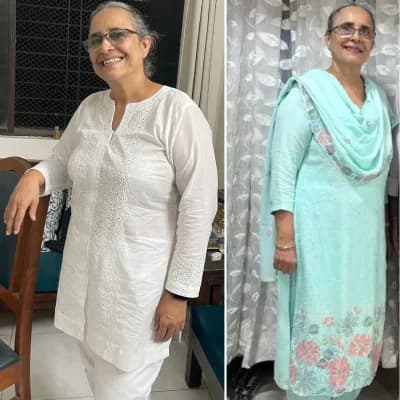 Before · After
Lost 8 kg; digestion and sleep improved; doctor reduced cholesterol medication.
Read SK's storyHyperpersonalised health programs
For weight loss, blood sugar and 17+ health concerns. Bring food, movement, sleep and stress into one plan, shaped by your reports, routine and the Indian food you enjoy.
104+ clients in 7 countries
Last updated:
Good morning,
Ishita
TODAY'S PLATE
Move your walk to after dinner.
Choose a starting point based on your health concern, existing reports or preferred level of support.
THE MORF PHILOSOPHY
Morf builds a nutrition and lifestyle plan around your health history, available reports and everyday routine. Food, movement, sleep and stress are considered together, so your priorities connect rather than compete. Your nutritionist helps turn those priorities into practical steps that fit your kitchen, working hours and medical care.
Meet Morf ResearchYour history, reports and goals shape the starting point. We consider each marker alongside your routine and existing care.
Build food and movement changes around your working hours, kitchen and current activity. Start with what is practical, then adjust.
Understand the reasoning behind your plan. Explore the research and its limits, alongside individual client experiences.
Food, movement, sleep and stress belong in the same conversation. Your plan accounts for busy weeks and changing routines.
Agree on useful progress measures, review them regularly and adjust your plan as your needs change.
Keep familiar foods in the conversation. Shape meals around your preferences, household cooking and any clinical restrictions.
FOUR WAYS TO START
Learn with the Guide, understand your reports with Decode, or choose a Signature 1:1 program for ongoing support. Community cohorts are planned.
Learn how food and habits affect your health.
Paid, self-paced learning about blood sugar, food and everyday habits.
₹9,997 · One-time purchaseExplore the GuideUnderstand your symptoms and reports.
A one-time review of your history, habits and relevant reports, with a written report and walkthrough call.
₹2,497 · Check purchase availabilitySee how Decode worksLearn with a group.
Planned expert-led groups on gut health, metabolism and rest. Dates and fees are not yet announced.
Future cohorts; join the interest listExplore group programsBring your health concerns into one personal plan.
Hyperpersonalised health programs for weight loss, blood sugar and 17+ health concerns, with ongoing 1:1 personal support.
₹1,00,000 for 90 days or ₹40,000/monthExplore 1:1 supportNEW · MORF FOR TEAMS
Workplace talks, wellness weeks and structured team programs that fit the working day. Request a proposal for your team; individual health results stay private.
HOW IT WORKS
Signature 1:1 health programs connects 3 steps: review your health history and available reports, agree on a personal food and lifestyle plan, then adjust it through regular check-ins. You work on practical changes with your nutritionist while your treating clinician remains responsible for diagnosis, prescribing and decisions about medication.
Tell us about your health.
We review reports, concerns and routine first. Share existing diagnoses, medicines, food preferences and practical constraints. If you have reports, bring the dates and reference ranges too. You can begin with your history when tests are not available; your treating clinician advises on any new investigations.
Food, supplements and movement, explained.
Understand why each step matters. Agree on priorities with your nutritionist rather than changing every habit at once. Talk through meals at home, work or while travelling, and ask how the suggestions fit your clinician’s advice. Supplements are discussed only where useful, rather than being a required starting point.
Support as things change.
Track progress and adjust together through weekly reviews. Explain which changes felt workable and where you struggled, so the next version reflects your actual week. Message your team between reviews. Changes to medicines, symptoms that need investigation and decisions about repeat tests stay with your treating clinician.
HEALTH CONCERNS WE SUPPORT
Morf offers nutrition and lifestyle support for weight loss, blood sugar and 17+ health concerns, including PCOS, gut health, thyroid concerns and fatty liver. Explore the relevant condition page to understand what a program can include, where clinical care is needed and which next step may suit your situation.
Glucose, food and movement.
Cycles, skin and metabolism.
Feel more comfortable.
Look beyond the liver.
Thyroid, sleep and nutrition.
A plan beyond the scale.
Beyond the glucose reading.
Waist, glucose and cholesterol.
Nutrition alongside fertility care.
Learn what nutrition and lifestyle support can include.
Explore all conditionsCLIENT-REPORTED RESULTS
Read individual, client-reported experiences with weight, blood markers and daily wellbeing. Results vary; these selected stories do not establish a typical outcome.
Before · AfterLost 8 kg; digestion and sleep improved; doctor reduced cholesterol medication.
Read SK's story Before · After
Regular 28 to 32 day cycles; clearer skin, slower facial hair growth and steadier energy.
Read SS's story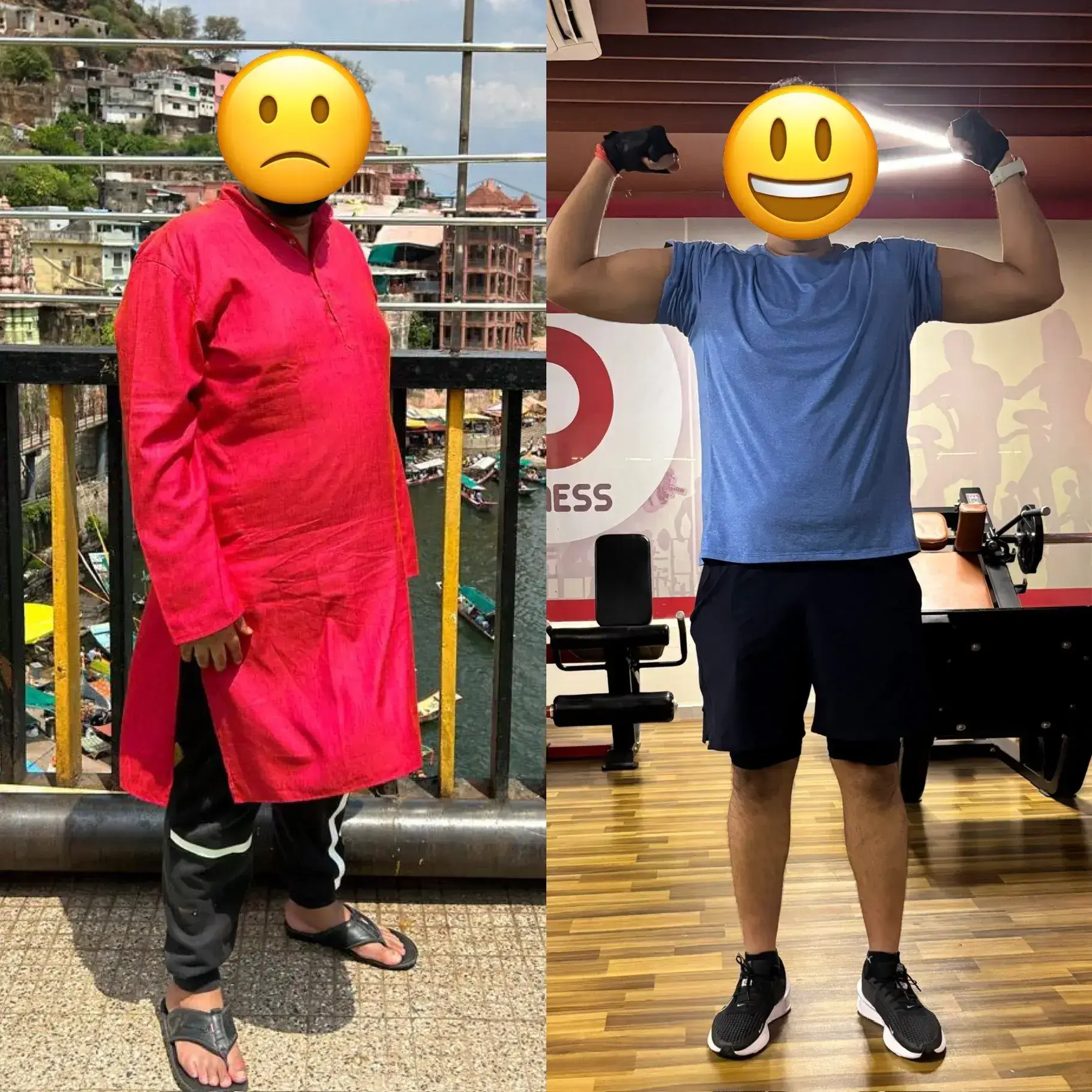 Before · After
Cholesterol and hormones improved; more energy in about 12 weeks.
Read SC's storyClient-reported results vary. Only change medication under medical supervision.
All client storiesTHE EVIDENCE IN CONTEXT
See the research behind a lifestyle approach, with its limits. These studies are not Morf trials or forecasts of your results.
Structured lifestyle support can reduce the risk of developing type 2 diabetes in people at high risk. In the US Diabetes Prevention Program, the lifestyle group had a 58% lower risk than the placebo group after about 3 years. That finding concerns prevention, rather than a cure for existing diabetes.
The trial enrolled 3,234 participants at 27 US clinical centres. Its lifestyle program combined dietary changes, a weight-loss goal and physical activity. Participants aimed to lose 7% of body weight and exercise for 150 minutes a week, with intensive support. These details matter: the result was produced by a defined intervention in a defined population, rather than by generic diet advice.
This was not a Morf trial, and its risk reduction should not be read as an expected Morf outcome. If you already have diabetes, your medication, monitoring and individual nutrition needs require clinical guidance. Source: NIDDK’s DPP study summary.
Regular movement supports health, and the amount should reflect your ability, medical advice and starting point. WHO’s adult guidance recommends 150 to 300 minutes of moderate aerobic activity, or 75 to 150 minutes of vigorous activity, each week. These are population guidelines, rather than an individual exercise prescription.
WHO’s 2024 analysis found that 31% of adults did not meet recommended activity levels in 2022, up about 5 percentage points since 2010. For someone with a desk job, discussing walking, active travel and breaks from sitting may be a more useful starting point than immediately adopting a demanding exercise schedule.
“Physical inactivity is a silent threat to global health, contributing significantly to the burden of chronic diseases”
“These new guidelines highlight how important being active is for our hearts, bodies and minds”
Source: WHO activity guidelines announcement; WHO’s 2024 activity analysis and expert commentary. These experts are discussing public health evidence, not endorsing Morf.
Familiar meals can be adapted to a healthy eating pattern by considering variety, portions and nutritional needs together. WHO’s January 2026 guidance recommends at least 400 grams of fruit and vegetables and 25 grams of naturally occurring dietary fibre daily for people older than 10. Individual clinical needs can differ.
The same guidance limits free sugars to less than 10% of daily energy and adult salt intake to less than 5 grams a day. These are useful reference points for discussing overall eating patterns. They do not determine the right portion of rice, roti or dal for every person, and they are not a substitute for advice tailored to a medical condition.
A practical conversation can start with the meals you already cook: which vegetables and pulses you enjoy, what is affordable, how often you eat outside and what your household can sustain. Your nutritionist can explain how suggestions fit your circumstances. Source: WHO healthy diet guidance, updated January 2026.
Track progress against your own starting point using measures that match your goals and clinical advice. A client’s change in weight or a blood marker can illustrate an experience, but it cannot tell you the probability, pace or size of a similar change for you. Look for context before comparing numbers.
For example, the SK story reports HbA1c changing from 7.4% to 5.7% and an 8 kg weight loss. The SS story reports a 10 kg weight loss. These are selected client-reported accounts, not controlled comparisons or independently established average outcomes. Read the full Morf client stories alongside their limitations.
At reviews, discuss what changed in your food, movement, sleep, symptoms and treatment. Bring the date and units when comparing laboratory results, and ask your clinician when another test is appropriate. A plan may need adjusting even when one measurement improves, especially if it has become difficult to maintain in everyday life.
INTRODUCING MORF DECODE / YOUR HEALTH, IN CONTEXT
Morf Decode brings your health history, habits and relevant reports into one review. Get a written report and a walkthrough call for ₹2,497. Ongoing personal support is a separate choice.
Explore Morf DecodeTHE PEOPLE BEHIND YOUR PLAN
Meet the people behind Morf, their roles and qualifications. Ask who will support your program and how your reviews will work.
Leadership

Morf Research offers Hyperpersonalised health programs for weight loss, blood sugar and 17+ health concerns. The approach connects food, movement, sleep and stress with your health history, reports and daily routine. Morf is operated by Zentium Health Sciences LLP, India. You can explore self-paced education through the Guide or enquire about Signature 1:1 personal health program. The Guide costs ₹9,997 and the one-time Decode assessment costs ₹2,497. Community cohorts are planned; check the product pages for current purchase availability.
Signature 1:1 personal health program follows 3 steps: review your history and available reports, build a personal food and lifestyle plan, then review progress and adjust together. Bring your goals, food preferences, working hours and any advice from your treating clinician. Weekly reviews and chat support help you discuss what is practical between appointments. Signature costs ₹1,00,000 for 90 days or ₹40,000 per month. Confirm included support, payment and renewal terms before enrolling. The Guide is a separate self-paced education product, with a different format and commitment.
Morf supports weight loss, blood sugar concerns, PCOS, gut health, thyroid concerns and fatty liver through hyperpersonalised health programs alongside medical care. Having several concerns does not mean you need several unrelated diet plans. The starting point is your overall history and the priorities you agree with your clinician and health program team. Each condition page explains the role of lifestyle support. Suitability depends on your circumstances; a condition being listed does not mean a health program can diagnose, cure or replace treatment for it.
No. Morf provides nutrition and lifestyle education and personal health support that complements medical care. Your treating clinician handles diagnosis, prescribing, investigations and medication changes. Tell the team about existing diagnoses, medicines and any restrictions before changing food or exercise habits. Pregnancy, an eating disorder history, kidney disease or medicines that can lower blood sugar are important to discuss when assessing suitability. New or worsening symptoms need clinical advice. Do not stop a medicine or change its dose because of a health program or another client’s story.
Expect goals and progress measures to be agreed around your starting point, rather than a promised amount of weight loss or a guaranteed blood result. Published Morf stories describe individual client-reported changes in blood markers, energy, sleep and digestion. They are selected experiences, not a clinical trial or an estimate of typical results. Health history, medication, consistency and follow-up can all affect outcomes. Review the full story for context, and agree with your clinician whether and when repeating a blood test would be useful.
No. You can begin by discussing your health history, symptoms, goals and routine. If you already have reports, include the test date, units, laboratory reference range and any advice you received with them. A single number rarely explains the whole picture, and results from different laboratories may need careful comparison. Your treating clinician advises whether new tests are necessary and how to interpret them clinically. Morf Decode costs ₹2,497 for a one-time review. Its separate public intake demo does not submit or analyse health data.
Summarise this page with AI.