
Case Study: PCOS Management and Cycle Regulation
An anonymized case documenting restoration of regular menstrual cycles and 7 kg weight loss in a woman with PCOS through targeted nutrition and exercise.
Clinical Background
Presenting concern: 28-year-old woman with PCOS diagnosed at age 24. Irregular cycles (2, 3 per year), acne, central weight gain. BMI 31.2, elevated fasting insulin (22 μIU/mL), normal thyroid panel.
Baseline metrics (Month 0):
- Menstrual cycles: 2 in prior 12 months
- Weight: 78 kg
- Fasting insulin: 22 μIU/mL
- Waist circumference: 96 cm
Intervention Protocol
5-month structured program with gynecologist oversight:
- Nutrition: Low GI Indian diet emphasizing millets, legumes, and lean protein. Reduced refined carbohydrates and sugary beverages. 30g+ protein per main meal.
- Exercise: 150 min/week moderate cardio plus 2 strength sessions.
- Supplements: Vitamin D repletion (per lab results), inositol 2g/day (physician-approved).
- Stress: Weekly yoga sessions, sleep hygiene protocol (7, 8 hours).
Outcomes (Month 5)
- Menstrual cycles: 4 regular cycles in final 5 months
- Weight: 71 kg (−7 kg)
- Fasting insulin: 14 μIU/mL
- Acne: Markedly reduced per client report
Clinician Notes
"Weight loss of 5, 10% body weight is the first-line evidence-based intervention for PCOS. This client achieved 9% loss through sustainable dietary changes rather than extreme restriction. Cycle regularity improvement correlates with insulin sensitivity gains.", Sidra Timol, Nutrition Expert
Key Takeaways
- PCOS management requires addressing insulin resistance as a root driver
- Sustainable Indian dietary modifications outperformed previous crash diet attempts
- Multidisciplinary care (gynecologist + nutritionist) supported better outcomes
Related Success Stories
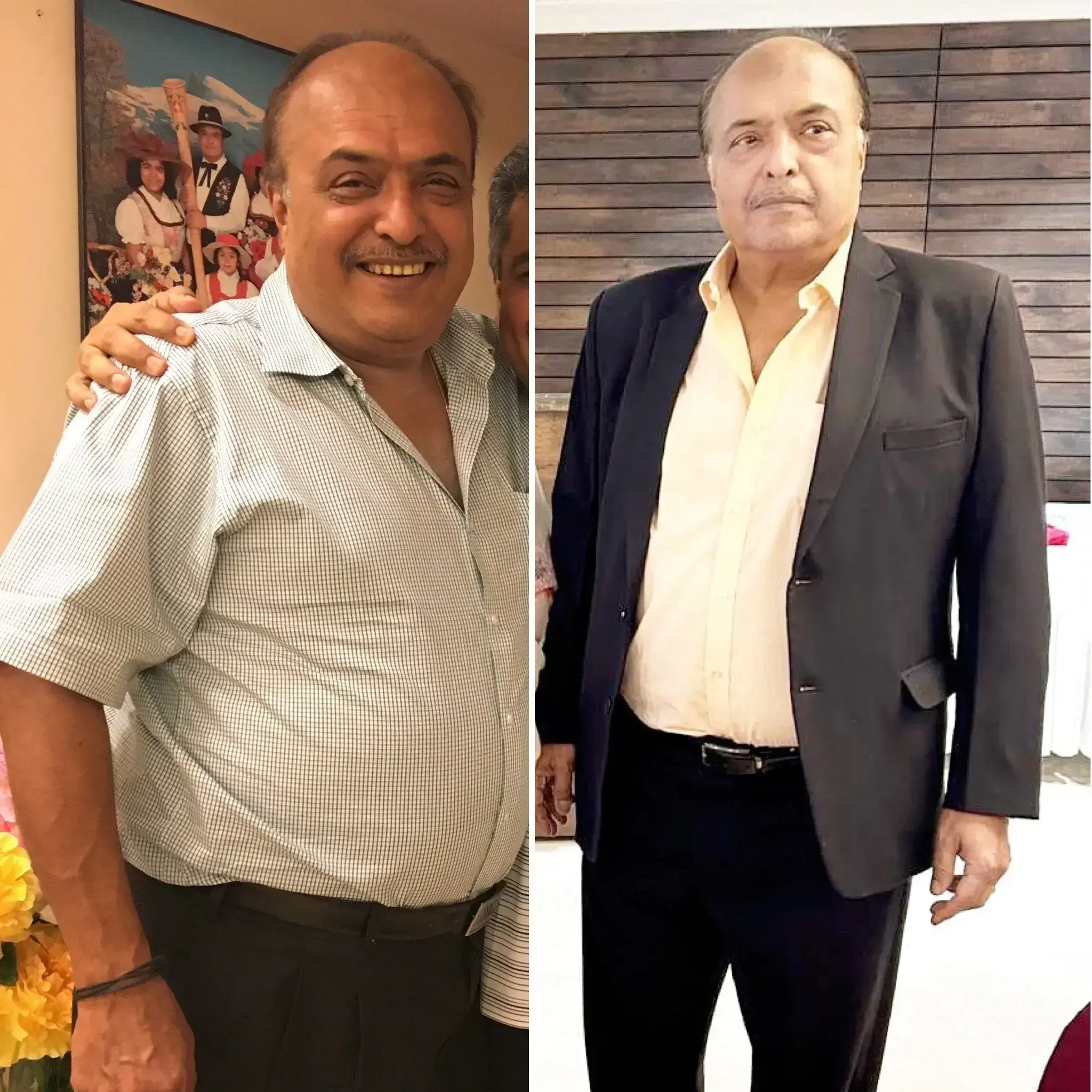
Case Study: Fatty Liver Improvement Through Metabolic Intervention
An anonymized case documenting ALT normalization and 12 kg weight loss in NAFLD through evidence-based nutrition and exercise over 24 weeks.
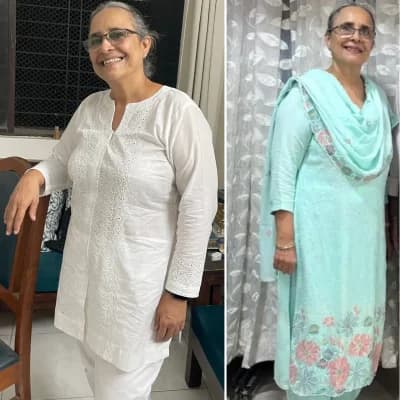
Case Study: Type 2 Diabetes Reversal Through Personalized Nutrition
An anonymized clinical case study documenting A1C reduction from 8.2% to 5.9% through structured nutrition and lifestyle intervention over 16 weeks.

SS's PCOS Recovery Journey
How SS lost 10 kgs and reversed her PCOS symptoms